The Importance of Multi-Tool Safety
Multi-tools combine multiple sharp, pointed, and mechanical implements in a compact package. While this versatility makes them incredibly useful, it also creates opportunities for injury if proper safety practices aren't followed. Unlike single-purpose tools with established safety protocols, multi-tools require understanding multiple tool types and their specific hazards.
This guide covers essential safety practices for multi-tool handling, operation, and storage. Whether you're a new multi-tool user or experienced handler looking to refresh best practices, these guidelines help prevent injuries and ensure safe, effective tool use.
Pre-Use Safety Checks
Before using your multi-tool, a quick inspection prevents problems:
Inspect Locking Mechanisms
Blade and tool locks must engage fully before applying pressure. A lock that seems engaged but releases under load can cause serious cuts. Verify positive lock engagement by gently testing before using any force.
Check Pivot Tension
Tools that open too easily may deploy unexpectedly in your pocket. Tools that are too stiff require excessive force to operate, potentially leading to slips. Proper pivot tension keeps tools closed when stored and opens smoothly when needed.
Examine Blade Condition
Ironically, dull blades cause more injuries than sharp ones. Dull blades require excessive pressure, leading to slips when the blade suddenly breaks through material. A sharp blade cuts cleanly with minimal force. Inspect and maintain blade sharpness for both performance and safety.
Verify Tool Function
Before relying on a tool for critical tasks, verify it functions properly. Test pliers grip, check that scissors cut cleanly, and ensure screwdrivers haven't been damaged. Discovering tool problems during critical moments leads to improvised solutions that increase injury risk.
Safe Knife Handling
The knife blade presents the greatest injury risk. Follow these practices:
Opening Safely
Know your mechanism: Understand how your specific blade opens and locks. Some blades have thumb studs, others have nail nicks, and some feature one-handed opening mechanisms. Practice opening until the motion is familiar.
Control the blade path: When opening, keep fingers clear of the blade's swing path. The blade should open away from your body and hands. Never place fingers where the blade will travel.
Verify lock engagement: Once open, confirm the lock has engaged before using. Apply light pressure in the closing direction—a properly locked blade won't move. If the lock feels weak or incomplete, close and re-open the blade.
Cutting Safely
Cut away from your body: Direct cutting strokes away from yourself and any body parts. If the blade slips, it should move into empty space rather than toward you.
Control the workpiece: Secure your material before cutting. Unstable workpieces can shift during cutting, leading to unexpected blade paths. Use a stable surface and hold materials firmly.
Apply appropriate pressure: Let the sharp blade do the work. Excessive pressure leads to loss of control when the blade breaks through. Multiple light passes are safer than one heavy cut.
Mind your off-hand: Position your non-cutting hand safely away from the cut path. Many knife injuries occur to the hand holding the workpiece when the blade slips through.
Closing Safely
Disengage locks properly: Understand your specific locking mechanism's release method. Liner locks, frame locks, and lockbacks all release differently. Never force a lock—if it doesn't release smoothly, something is wrong.
Control the closing path: Keep fingers clear as the blade closes. The closing blade should contact only the handle's blade slot. Pinched fingers from inattentive closing are common injuries.
Verify full closure: Ensure the blade is completely closed and secured before pocketing. A blade that's almost closed can open unexpectedly and cause pocket cuts.
Safe Plier Usage
Pliers seem straightforward but have their own hazards:
Grip Security
Ensure solid grip before applying force. Sweaty or wet handles can slip during heavy use. Some users add grip tape or gloves for demanding tasks.
Wire Cutting Safety
Cut wire ends can fly unpredictably when the wire is under tension. Wear eye protection when cutting tension-loaded wire. Position the cut so wire ends fly away from you.
Spring-Loaded Awareness
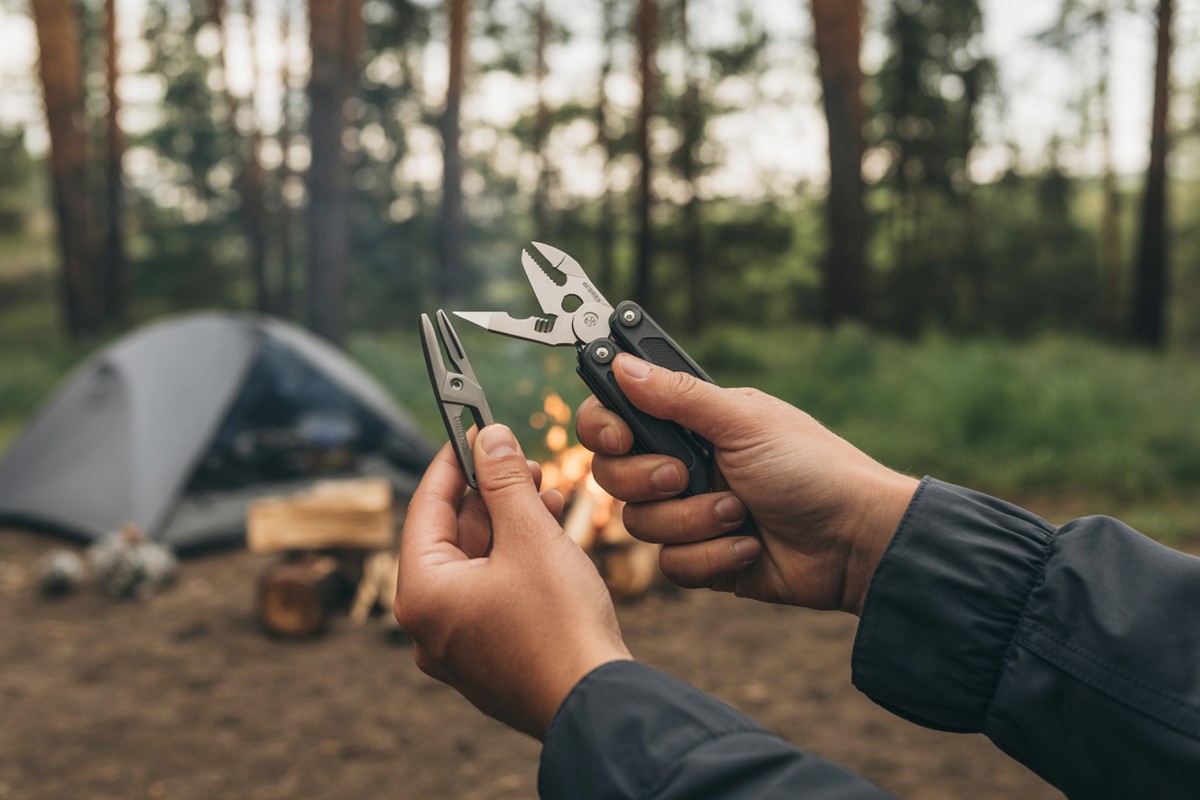
Spring-loaded pliers can close forcefully when released. Keep fingers clear of the jaw area when releasing grip. The closing force, while useful for quick operation, can pinch inattentive fingers.
Safe Screwdriver Usage
Avoid Slipping
Screwdriver slips are common injuries. Use the correct size driver for your fastener—undersized drivers slip easily. Apply downward pressure to keep the driver engaged while turning.
Steady the Workpiece
Secure the object you're working on. Chasing a spinning workpiece with a screwdriver leads to slips and stabs. Use a vise, clamp, or assistant to stabilize items.
Mind the Other End
Multi-tool handles often have other tools (especially blades) deployed on the opposite end when using screwdrivers. Be aware of any open implements and their positions relative to your hands and body.
General Multi-Tool Safety
One Tool at a Time
Don't deploy multiple tools simultaneously unless specifically designed for it. Multiple open tools create multiple hazards and awkward grips that increase injury risk.
Know Your Limits
Multi-tools have limits. Don't use knife blades as pry bars, screwdrivers as chisels, or pliers as hammers. Using tools beyond their design limits causes failures that can injure you.
Maintain Awareness
Distractions lead to injuries. Focus on the task when using sharp or mechanical tools. If interrupted, safely close your tool before diverting attention.
Proper Storage
Store multi-tools with all implements fully closed and secured. Pocket carry should position the tool so it can't open unexpectedly. Keep tools away from children and others who aren't familiar with safe handling.
Passing Multi-Tools Safely
When handing a multi-tool to someone else:
Close all tools first: Never pass an open multi-tool. Close everything and verify closure before handing over.
Present handle-first: Offer the handle toward the recipient with the blade end toward yourself. This ensures they can grasp the safe end immediately.
Confirm receipt: Ensure the recipient has firm grip before releasing. A dropped multi-tool can land blade-first on feet or cause other injuries.
First Aid for Multi-Tool Injuries
Despite best practices, cuts happen. Be prepared:
Minor cuts: Clean with soap and water, apply antibiotic ointment, and bandage appropriately. Monitor for infection signs.
Significant bleeding: Apply direct pressure with clean cloth. Elevate the wound above heart level if possible. Seek medical attention for deep cuts, persistent bleeding, or cuts to hands where tendons may be damaged.
Professional help: Deep cuts, cuts near joints, facial cuts, and any wound showing bone, tendon, or significant tissue damage require professional medical attention.
Keep first aid supplies accessible: A basic first aid kit should be nearby whenever doing significant multi-tool work.
Building Safe Habits
Safety becomes natural with consistent practice. Make these behaviors automatic:
- Always verify lock engagement before using blades
- Always cut away from your body
- Always close tools before pocketing
- Always pass tools handle-first
- Always inspect tools before use
Choose a Safe, Quality Tool
Quality multi-tools with positive locking mechanisms and smooth operation are inherently safer than cheap alternatives with weak locks and unpredictable action. Invest in quality for both performance and safety. Use our ToolMatch recommendation tool to find multi-tools with proper safety features matched to your needs.
Ready to Find Your Perfect Multi-Tool?
Use our free ToolMatch recommendation tool to get personalized suggestions based on your specific needs, budget, and preferences.
Get Your Recommendation